Integrating the 3D Afro Little Girl Tumbler Wrap PNG 40 into Your Sublimation Workflow
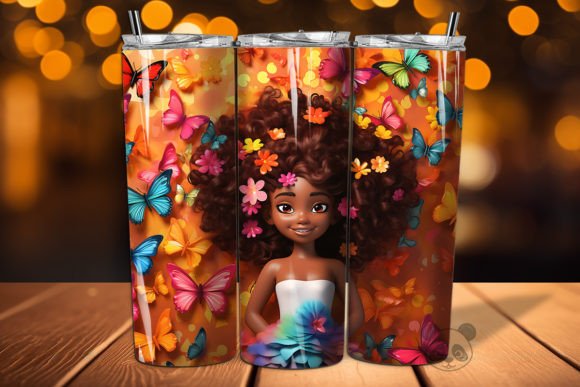
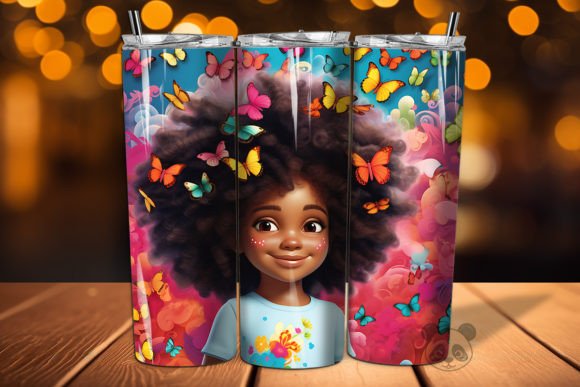
In the competitive landscape of custom drinkware production, the difference between a standard product and a best-seller often lies in the quality and specificity of the design assets used. For creators focusing on representation and vibrant aesthetics, the 3D Afro Little Girl Tumbler Wrap Png 40 represents more than just a graphic; it is a foundational component of a streamlined sublimation process. This digital asset, specifically engineered for 20 oz skinny tumblers, allows entrepreneurs and hobbyists to bypass the time-consuming stages of illustration and focus entirely on execution and quality control. Understanding how to integrate this specific file type into a broader manufacturing workflow is essential for maintaining consistency and efficiency in a small business environment.
Defining the Asset within the Production Pipeline
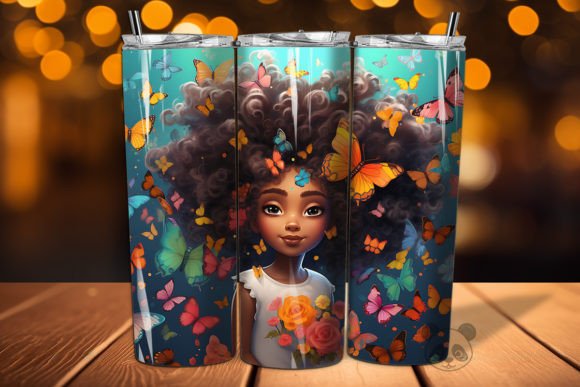
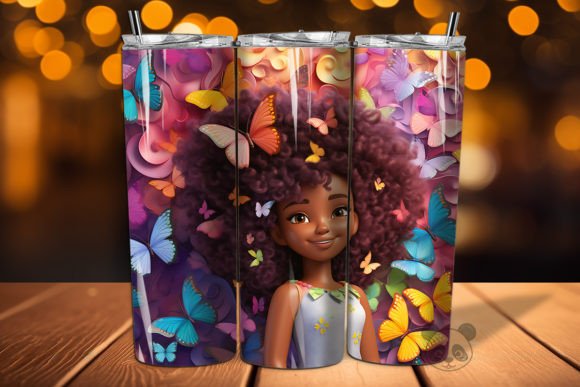
The 3D Afro Little Girl Tumbler Wrap Png 40 is a high-resolution digital file, typically delivered at 300 DPI with dimensions around 9.3 inches by 8.2 inches. In a practical workflow, this file serves as the primary visual layer for straight tumbler applications. Unlike generic clip art that requires significant manipulation to fit a curved surface, this wrap is pre-sized and formatted for the specific geometry of a 20 oz skinny tumbler. This specificity reduces the margin for error during the printing phase.
When planning a product line, this asset fits into the "pre-production" stage. It eliminates the need for external designers or complex vector tracing. For a business owner, this means the timeline from concept to physical prototype is significantly shortened. The inclusion of a 3D background and watercolor elements within the same file ensures that the foreground subject (the little girl) and the environmental context (such as a 3d beach landscape) are already harmonized. This integration prevents common alignment issues where separate layers might shift during the heat press process, ensuring the final output matches the digital preview.
Preparation and Compatibility Checks
Before initiating the print run, proper preparation is critical. Since this item is an instant digital download, the first step in the workflow involves file management. Upon receiving the ZIP file, users should immediately verify the integrity of the PNG file. Because sublimation relies on precise color reproduction, working with a 300 DPI source is non-negotiable for professional results. Lower resolution files can result in pixelation, which is particularly noticeable on the smooth, glossy surface of a coated tumbler.
Compatibility extends beyond the file format to the software ecosystem. Whether using Adobe Photoshop, Illustrator, Canva, or specialized sublimation software like Sawgrass Print Manager, the Afro Little Girl png must be imported correctly. Users should ensure their color profiles are set to match their printer's capabilities—typically sRGB for screen viewing and the specific ICC profile for their sublimation printer during output. The transparent background inherent in high-quality PNGs allows for flexibility; if a creator wishes to swap the included 3d beach wrap bundle background for a solid color or a different pattern, the isolated subject makes this adjustment seamless without compromising the edge quality of the character.
Execution: From Digital File to Physical Product
The core of the workflow occurs during the printing and pressing phases. When utilizing the 3D Afro Little Girl Tumbler Wrap Png 40, the goal is to maintain the depth and vibrancy of the 3D design. Sublimation printing transfers dye into the polymer coating of the tumbler using heat and pressure. The "3D" effect in the design relies on subtle shading and highlights that can be lost if the heat press settings are incorrect.
For a 20 oz skinny tumbler, the wrap dimensions (approx. 9.3 x 8.2 inches) are designed to cover the printable area without excessive overlap or gaps. During the wrapping process, precision is key. The user should align the design carefully, ensuring that any seamless patterns connect smoothly if the design wraps around the entire circumference. Using heat-resistant tape to secure the sublimation paper prevents "ghosting," where movement during the press creates a blurred image. Given that this design features detailed elements like hair texture and watercolor backgrounds, even a slight shift can degrade the perceived quality of the Afro Little Girl 3D seamless pattern.
Furthermore, the workflow must account for the specific requirements of the tumbler itself. Straight tumbler wraps differ from curved ones; the Straight Tumbler Wrap PNG format ensures that the image does not distort when applied to the flat vertical surface of the cup. This attention to geometric accuracy is what separates amateur attempts from professional-grade merchandise.
Quality Control and Consistency
Once the tumbler has cooled and the paper is removed, the quality control phase begins. The Afro Little Girl tumbler wrap should be inspected for color fidelity, sharpness, and coverage. Because the design includes complex layers like a 3D background and foreground characters, checking for banding or color shifts is essential. A successful transfer will show the watercolor textures blending naturally with the 3D rendering of the character.
Consistency is vital for brand reputation, especially for small business owners selling batches of products. By sticking to a single, high-quality source file like the 3D Afro Little Girl Tumbler Wrap Png 40, creators ensure that every unit produced looks identical. This reliability builds customer trust. If a creator decides to expand the product line to include mugs or phone cases, the isolated elements within the original ZIP file can often be repurposed, provided the resolution supports the new dimensions. However, for the 20 oz skinny tumbler, this specific file remains the gold standard for that form factor.
Strategic Applications and Market Fit
Beyond the technical execution, understanding where this asset fits in the market is crucial for sales success. The depiction of an Afro Little Girl in a vibrant, 3D style caters to a demographic seeking representation in everyday items. This design is not merely decorative; it resonates culturally. Marketers and sellers can leverage this by positioning the product within niche communities, back-to-school campaigns, or cultural celebration events.
The versatility of the Afro Little Girl background and the 3d beach landscape elements allows for seasonal adaptability. While the beach theme suggests summer use, the core character design can be paired with different overlays or marketed as a year-round staple depending on the accompanying text or additional graphics added by the user. For educators or camp organizers, these wraps can be used to create personalized gifts that foster a sense of belonging and pride among participants.
Long-Term Workflow Optimization
Integrating the 3D Afro Little Girl Tumbler Wrap Png 40 into a routine is about more than just printing one item; it is about establishing a repeatable process. Organizing digital assets effectively ensures that the file is easily retrievable for future reorders. Labeling files clearly, backing up the original ZIP, and documenting the specific heat press settings (time, temperature, pressure) used for this specific design creates a "recipe" for success. This documentation becomes invaluable when training staff or scaling operations.
Moreover, staying updated with sublimation trends means recognizing when to refresh designs. While this specific wrap is robust, the market evolves. Creators should view this asset as part of a larger library. Combining this wrap with other seamless pattern resources or custom text additions keeps the product line fresh. The high resolution and professional composition of the 3D design provide a solid foundation upon which further creativity can be built without starting from scratch.
In conclusion, the 3D Afro Little Girl Tumbler Wrap Png 40 is a strategic tool for anyone involved in custom drinkware creation. It bridges the gap between creative vision and physical reality, offering a high-fidelity solution that respects both the technical constraints of sublimation printing and the cultural significance of the imagery. By approaching its use with a structured workflow—focusing on preparation, precise execution, and rigorous quality control—creators can maximize the potential of this digital asset, delivering products that are not only visually stunning but also commercially viable.