Elevate Designs with 3D Moose Mug Art
In the rapidly evolving world of custom merchandise, standing out requires more than just a standard print; it demands depth, texture, and a narrative that captures the imagination immediately. This is where the 3D Moose Mug Wrap Sublimation technique transforms a simple beverage vessel into a striking piece of visual storytelling. For graphic designers and brand strategists, understanding how to leverage dimensional aesthetics is crucial for creating products that resonate with consumers on a tactile and emotional level.
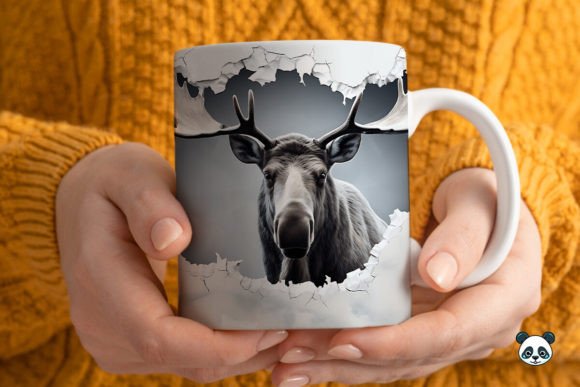
The shift from flat, two-dimensional graphics to immersive 3D designs represents a significant trend in modern packaging design and product customization. When applied to sublimation, particularly on skinny or straight mugs, a 3D moose motif does not merely sit on the surface; it appears to emerge from it. This illusion of depth adds a layer of sophistication and realism that flat vector art often struggles to achieve without extensive shading work. By utilizing high-resolution PNG files with transparent backgrounds, designers can integrate these assets seamlessly into their existing design workflow, ensuring crisp edges and vibrant color retention during the heat press process.
The Power of Dimensional Branding
Integrating three-dimensional elements into your creative projects serves a dual purpose: it enhances aesthetic appeal and strengthens brand identity. In a crowded marketplace, a mug featuring a lifelike, watercolor-style moose that seems to step out of the ceramic commands attention. This visual impact is essential for businesses looking to create memorable marketing materials or unique merchandise for retail.
From a visual hierarchy perspective, 3D elements naturally draw the eye. When a customer scans a shelf or a social media feed, the brain processes depth cues faster than flat colors. Utilizing a 3D Moose Mug Wrap Sublimation Background allows designers to create a focal point that guides the viewer's gaze, ensuring the core message or logo is noticed first. This principle applies broadly across digital marketing and physical product design, where capturing attention within seconds is paramount.
Practical Applications Across Industries
The versatility of high-quality sublimation designs extends far beyond coffee shops. These assets are invaluable tools for various sectors looking to enhance their professional presentation and engage their audience:
- Retail and Merchandise: Create limited-edition seasonal collections for outdoor brands, leveraging the rugged yet elegant appeal of wildlife imagery.
- Corporate Gifting: Elevate client gifts with personalized mugs that feature sophisticated, textured designs rather than generic logos.
- Social Media Content: Use mockups of 3D wraps to generate engaging posts that showcase product quality and design intricacy.
- Event Souvenirs: Produce memorable keepsakes for conferences or weddings where the theme involves nature or wilderness.
- Interior Decor: Extend the design language to other home goods, creating a cohesive look for kitchenware and accessories.
Optimizing Design for Sublimation
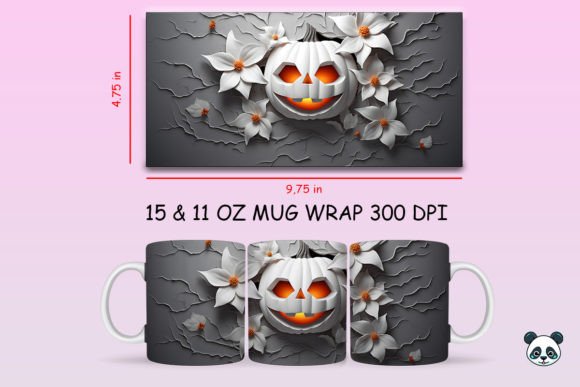
Success in sublimation printing relies heavily on the quality of the source file and the designer's understanding of the medium. When working with a 20 oz Skinny Mug Sublimation Design or an 11 oz template, resolution is non-negotiable. Files must be at least 300 DPI to prevent pixelation, which can ruin the illusion of 3D depth. A blurry edge breaks the immersion, making the design look amateurish rather than premium.
Furthermore, color management plays a pivotal role. The vibrant hues of a watercolor moose or the stark contrasts of a seamless pattern must translate accurately from screen to substrate. Designers should consider the color palette of the mug itself; white or light-colored blanks typically yield the most vivid results, allowing the shadows and highlights of the 3D effect to pop. Consistency in tone ensures that the final product aligns with the intended modern aesthetics of the brand.
Selecting the Right Assets
When choosing digital downloads for your projects, evaluate the scalability and adaptability of the artwork. A superior asset, such as a Moose 3D seamless pattern, should allow for repetition without visible seams, enabling full coverage on larger surfaces or varied mug sizes. Additionally, ensure the file format supports transparency, which is critical for layering text or logos over the background without unsightly white boxes.
Effective use of these resources also involves understanding the physical constraints of the mug. A "skinny" mug has a different curvature and surface area compared to a standard 15 oz mug. Adjusting the composition to fit these dimensions ensures that key elements of the moose design are not distorted or cut off during the wrapping process. This attention to detail reflects a commitment to user experience, even in physical products.
Ultimately, the integration of high-quality, three-dimensional design assets like the 3D Moose Mug Wrap is about elevating the standard of visual communication. Whether for a small business owner launching a new line or a seasoned designer seeking fresh inspiration, the right graphical elements can transform a mundane object into a conversation starter. By prioritizing resolution, composition, and thematic consistency, creators can deliver products that not only look exceptional but also reinforce the value and identity of the brands they represent.