Dead Skull 3d: Evaluating the Impact of SVG Color Fonts in Modern Design
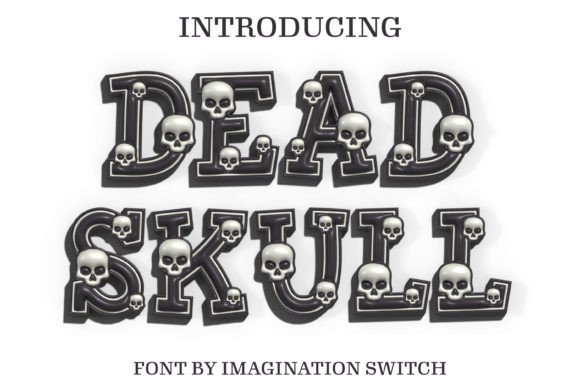
In the evolving landscape of digital typography, the shift from static black-and-white lettering to dynamic, multi-colored assets represents a significant leap for designers. Dead Skull 3d exemplifies this transition, offering a typographic creation that brings dimension and vitality to each character through clever use of color. Unlike traditional fonts that rely solely on shape and weight to convey mood, this typeface utilizes an illusion of depth to create a unique visual sensation. For professionals aged 20 to 50 who are evaluating resources for upcoming projects, understanding the specific mechanics, compatibility, and ideal applications of such a font is crucial before integrating it into a workflow.
Understanding the Mechanics of Dead Skull 3d
At its core, Dead Skull 3d is not merely a collection of vector outlines; it is an OpenType-SVG font. This technical distinction is vital for anyone comparing typography options. Standard fonts (OTF or TTF) define characters using mathematical paths filled with a single solid color, usually black. In contrast, an SVG font embeds scalable vector graphics directly within the font file. This allows Dead Skull 3d to include gradients, shadows, and multiple colors within a single keystroke. The result is a 3D style that appears pre-rendered, saving the designer hours of manual layering, beveling, and shading in post-production software.
The character set is comprehensive, including uppercase, lowercase, and numbers. This diversity ensures that the font can handle more than just headlines; it supports full sentences and data visualization where necessary. However, the true strength lies in its ability to maintain crisp edges and vibrant coloring regardless of scale, a hallmark of vector-based SVG technology. When evaluating whether this font fits a specific project, one must recognize that the "3D" effect is intrinsic to the file itself, rather than an external style applied by the design software.
Software Compatibility and Technical Constraints
One of the most critical factors in choosing a specialized font like Dead Skull 3d is software compatibility. Because this product relies on the OpenType-SVG format, it does not function universally across all platforms. It is fully compatible with industry-standard applications such as Adobe Photoshop, Illustrator, and Inkscape. In these environments, the font renders exactly as intended, displaying its complex color layers and depth immediately upon typing.
However, a significant limitation exists for users reliant on certain cutting machines. The OTF and TTF files associated with this product are not compatible with Cricut devices in their native color state. While Cricut has updated some software to support SVG fonts, many users still encounter issues where the color data is stripped, leaving only a single-color outline. If your primary workflow involves vinyl cutting or heat transfer projects using Cricut, Dead Skull 3d may require extensive manual recreation of the 3D effects, negating the time-saving benefits of the font. For these users, a standard layered SVG bundle might be a more practical alternative than a color font file.
Comparative Analysis: Color Fonts vs. Traditional Styling
When deciding between Dead Skull 3d and traditional typography paired with manual effects, the tradeoffs center on efficiency versus flexibility. Using a standard font and applying 3D effects manually in Illustrator or Photoshop offers granular control. You can adjust the angle of the extrusion, the intensity of the shadow, or the gradient stops at any moment. This approach is ideal for highly customized branding where every pixel must align with strict guidelines.
Conversely, Dead Skull 3d prioritizes speed and consistency. The "clever use of color" is baked in, ensuring that every letter maintains the same lighting logic and depth perception. This is particularly advantageous for rapid prototyping, social media graphics, or posters where a cohesive, dynamic look is needed quickly. The downside is reduced editability; changing the color scheme of the entire word might require switching to a different font variant or manually overriding the SVG data, which can be technically demanding.
Furthermore, compared to rasterized 3D text (images created in 3D modeling software), Dead Skull 3d retains the benefits of typography. It remains editable as text, searchable, and accessible. You can change a typo without re-rendering a scene. For print designs such as brochures and posters, this ensures sharp output at any resolution, whereas raster images can pixelate if scaled incorrectly.
Ideal Use Cases and Application Scenarios
The striking 3D design of Dead Skull 3d makes it suitable for specific contexts where a modern and dynamic touch is required. It excels in:
- Gaming and Entertainment: The dimensional aesthetic aligns well with gaming logos, Twitch overlays, and event posters where high energy is paramount.
- Streetwear and Merchandise: When used in screen printing (with proper separation) or direct-to-garment digital printing, the font adds immediate visual interest to t-shirts and hoodies without needing complex artwork setup.
- Digital Marketing: For web banners and social media ads, the built-in depth grabs attention faster than flat text, potentially improving click-through rates.
- Album Art and Music Promotion: The vitality of the characters complements genres like hip-hop, rock, and electronic music, providing a bold typographic voice.
However, this font is less appropriate for body copy in long-form documents, legal disclaimers, or minimalist corporate branding where subtlety is key. The heavy stylistic presence of the 3D effect can reduce readability at small sizes and may clash with clean, sans-serif interface designs.
Making an Informed Decision
Ultimately, choosing Dead Skull 3d depends on your specific toolset and design goals. If you work primarily within the Adobe ecosystem or use Inkscape for digital and print projects, this font offers a powerful shortcut to achieving professional-grade 3D typography. It eliminates the need for complex layer styles and ensures a consistent aesthetic across all characters.
On the other hand, if your workflow relies heavily on cutting machines like Cricut for physical crafts, or if you require total control over every shade and highlight for a bespoke brand identity, you may find the limitations of the SVG format restrictive. In such cases, exploring alternative resources or sticking to traditional fonts with manual styling might yield better results.
For those ready to implement this typeface, it is highly recommended to consult the Ultimate Font Guide provided by the creator. This resource details installation procedures, troubleshooting steps for different operating systems, and advanced tips for maximizing the potential of OpenType-SVG features. By understanding both the capabilities and the constraints of Dead Skull 3d, designers can effectively leverage its dynamic appearance to enhance their creative output without encountering unexpected technical hurdles.